
How long should my tooth filling hurt? | Dental Fillings Rochester, MN
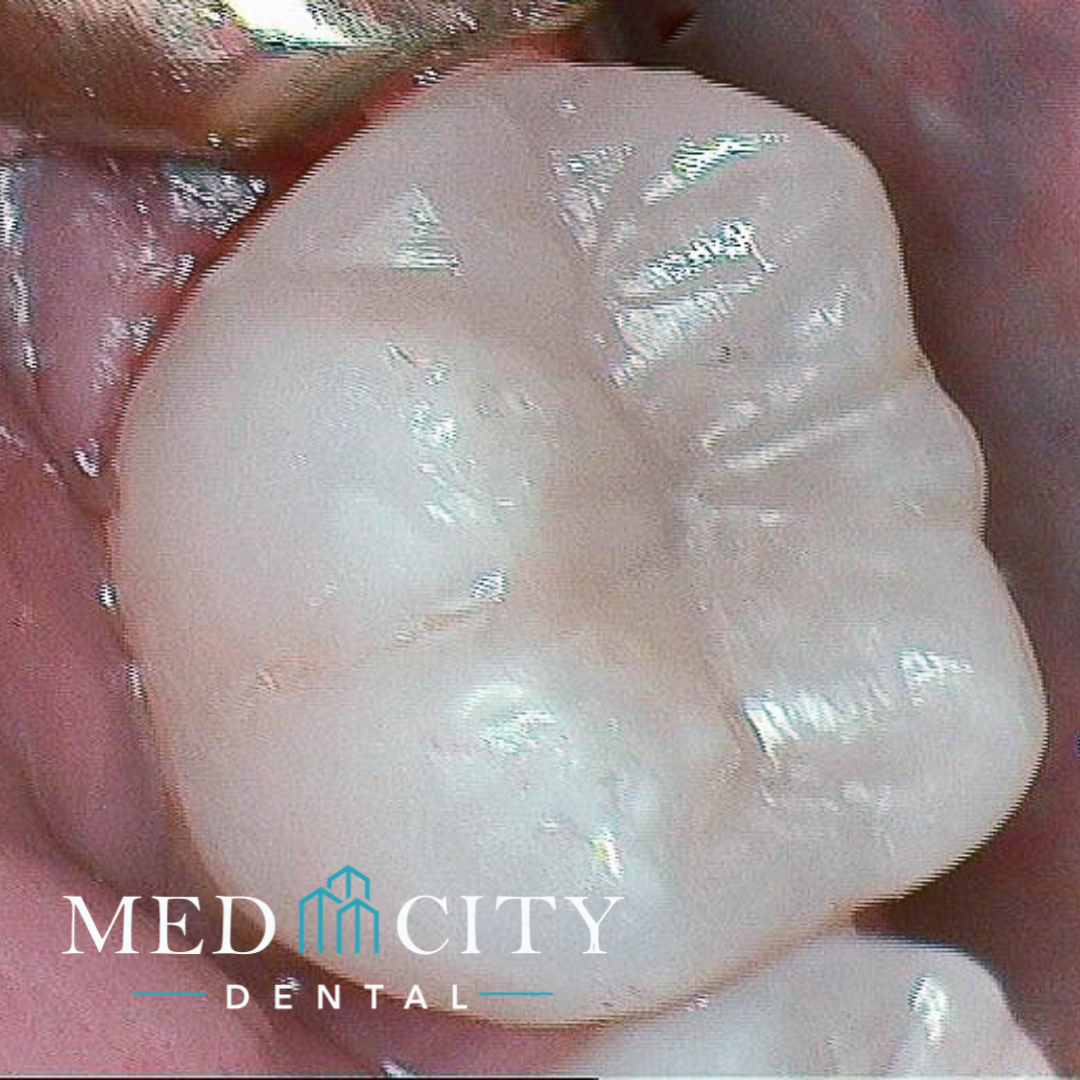
No one likes a toothache – especially one that lasts! But what about a tooth that hurts after getting a filling? Is it normal for teeth to hurt after getting a filling? How long should a tooth hurt after a filling?
Some degree of sensitivity is normal after a dental filling, but how long is normal?
Things to Consider
What was the condition of the tooth before the filling was done?
This is one of the most important things to consider regarding how long a tooth filling will hurt after getting a filling placed. The short answer: the worse the cavity before the filling – the longer it will likely be sensitive after treatment. But let’s dive into this a little more….
Bacteria that cause cavities release toxins and acid as they break down tooth structure. The bacteria travel down small tubules in the tooth leading to greater concentrations of toxins the closer it gets to the pulp. These toxins cause inflammation and damage to the pulp. The more prior damage to the pulp, the longer it will take for the tooth to heal after dental surgery.
Was the diagnosis and prognosis of the tooth correct?
The condition of the tooth prior to a filling being placed will determine the diagnosis and prognosis of the tooth. Cavities in teeth may sometimes present with hot and cold sensitivity or sensitivity to sweets – but not always. Other times even larger cavities can go unnoticed. The greater the discomfort before a filling is placed, the greater the post operative sensitivity will be.
Cavities almost always present worse in the mouth than they do on x-rays. The larger and deeper the cavity – the more likely the tooth may need additional treatment like a pulp liner or root canal therapy. Your dentist should have a good idea prior to treatment is initiated and will discuss this with you.
What was the quality and method of treatment rendered?
Not all dental materials are created equally. The use of high-quality dental materials will lead to less pain and sensitivity after a filling is placed. Reputable, clinically tested, and researched materials are likely to lead to less post-operative complications.
The method of placement also plays an important role in post-operative pain and sensitivity. The steps for isolating, cleaning, and tooth preparation must be followed for bonding the restoration to be ideal. The tooth needs to be dry, but not too dry before the bonding conditioner is placed. The bonding conditioner helps to penetrate and seal the tubules that we talked about earlier. A better seal leads to less pain after the filling is placed. When it comes to tooth colored fillings (resin/composite), there is always some degree of shrinkage when the filling is cured with the light. The larger and deeper the filling, the more layers that need to be placed. Placement of a single large increment can actually cause the tooth to crack!
Are all the tooth contacts ideal?
When it comes to a tooth filling it needs to fit properly. An ill-fitting filling is going to be more painful.
Food packing can lead to gum and tooth irritation. The contact between the teeth will help to prevent food packing between the teeth. The contact should snap with floss.
The other important aspect is how tall the tooth is and how it works when chewing. This means it needs to fit in both up and down motions as well as side to side. If the tooth is too tall in any of these movements, it can cause the tooth to compress the ligaments that hold the tooth in the bone – leading to bruising and pain.
When to Contact Your Dentist if Your Filling is Still Hurting?
Some degree of hot and cold as well as chewing sensitivity is normal for the first couple of days. Afterall, there was surgery completed on your tooth. Larger and deeper fillings may have longer lasting sensitivity last 7 -10 days.
You should contact your dentist if it has been more than a 7-10 days and you are still having significant pain after a filling has been placed. It may be something as simple as correcting the bite or more serious like irreversible pulpitis (need for root canal treatment).
Med City Dental | Quality fillings in Rochester, MN
Dr. Funke will take the time to discuss the condition of your teeth and prognosis. He uses high quality dental materials and methods for placement including air abrasion and isolation. He will make sure that final bite and fit of the filling is correct.
Long lasting pain after fillings is not normal. Have confidence in your dental care. Give Med City Dental a call to experience the difference!
Comments are closed.